Tourism Revenue in Nuristan: Tourists Say No Services Are Provided in Return for Fees
Tourists visiting Nuristan say the Taliban collect money from them at the entry points to the province, but the revenue is not spent on improving tourism infrastructure and services.
The tourists say that if visitors are charged a fee, basic facilities and services should be provided in return, including rest areas, health services, cleanliness and improved roads.
Some economic experts also say that collecting money from tourists can be justified only if the revenue is transparently invested in developing the tourism industry and improving infrastructure in Nuristan. They say otherwise, tourists may view the practice as a form of extortion, which could negatively affect visitors’ perceptions and reduce the province’s tourism appeal.
Habib, a pseudonym used for one of the tourists, says the Taliban collect money from visitors at the entrance to Nuristan, but the revenue is not spent on improving tourism facilities and services.
“Nuristan is one of the most beautiful and scenic provinces of Afghanistan, but its roads face many problems. To attract more tourists, especially foreign visitors, investment should be made in developing infrastructure and improving services,” he says.
According to him, the Taliban collect between 200 and 500 Afghanis from different vehicles at the entrance to Nuristan as an entry fee.
The tourist adds: “In return for this money, facilities such as rest areas, health services and other necessary amenities should be provided for tourists, but so far no significant action has been taken in this regard.”
Shahab, also a pseudonym, who travelled to Nuristan two days ago, says that despite the Taliban collecting money from tourists, the revenue is not spent on providing the facilities and services visitors need.
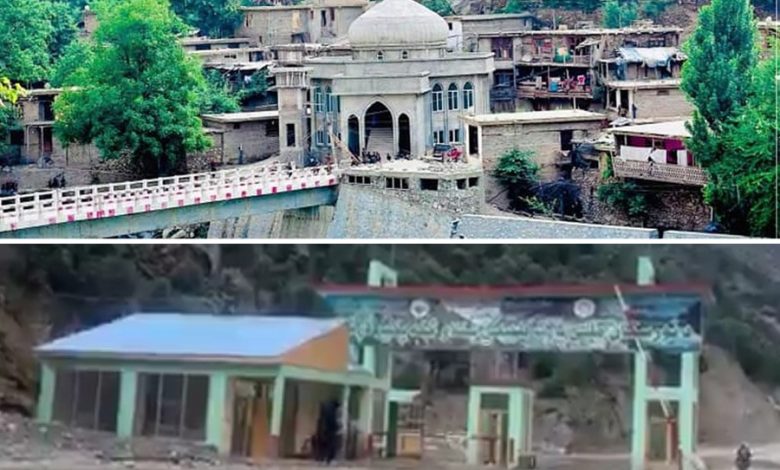
“When we entered Nuristan through the Parun gate, the Taliban took money from us, but after entering the province, we faced a lack of proper facilities. In my view, Afghan citizens should not be charged in the first place for visiting tourist sites in the country so that everyone can see the country’s natural and scenic attractions,” he says.
According to him, if tourists are charged a fee, at least basic services and facilities should be provided to them.
Shahab says: “When money is collected from people, facilities such as rest areas, health services and other essential amenities should be provided in return. It is estimated that thousands of Afghanis are collected through this system every year, but after nearly five years, there is still no visible improvement in tourism facilities in Nuristan.”
Nadim, another pseudonym used by a tourist, says tourism facilities and services in Nuristan need to be developed to attract more visitors.
“More opportunities should be created for domestic and foreign tourists to visit Nuristan. Providing rubbish bins, maintaining cleanliness, improving recreational facilities and providing the services tourists need can make the province a more attractive destination for visitors,” he says.
Meanwhile, Shakib, a pseudonym used for an economic expert, says collecting money from tourists can be justified if the revenue is reinvested in developing and improving tourism infrastructure in Nuristan. Otherwise, he says, tourists may view the practice as a form of extortion and develop a negative perception of travelling to the province.
“Collecting money from tourists does not in itself create much sensitivity, particularly if the revenue is transparently spent on rebuilding and developing Nuristan. Nuristan is a remote province, and many of the tourists who travel to the area have relatively good financial means. However, some tourists from neighbouring provinces or people with limited financial resources may choose other destinations, such as Kunar and Laghman, because of these fees,” he says.
The economic expert stresses that tourism revenue should be spent on areas including sustainable security, infrastructure development, particularly roads, environmental protection, cleanliness at tourist sites and support for local communities.
“If local people do not benefit from tourism, they may gradually develop a negative attitude towards tourists. At the same time, a lack of transparency in the collection and spending of this revenue can reduce the trust of both tourists and local residents,” he says.
Shakib adds: “The lack of transparency over how this money is spent reduces the appeal of tourism in Nuristan, discourages local investment and can ultimately create a sense of distrust and insecurity among tourists.”
However, the lack of standard roads, limited health services and facilities, weak telecommunications coverage and shortages of other basic infrastructure remain among the main problems raised by local residents and tourists.