International Day of the Girl Marks Another Year of Lost Education and Unfulfilled Dreams for Afghan Girls
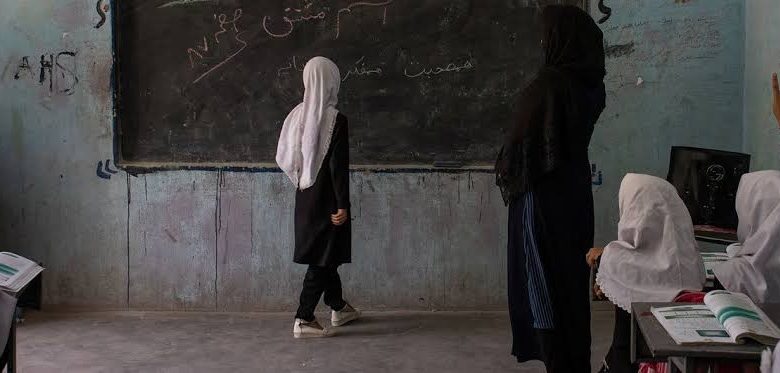
The International Day of the Girl is being marked on October 11 as millions of girls in Afghanistan continue to be denied access to secondary and higher education, raising renewed concerns about their rights, opportunities and future.
According to the United Nations Children’s Fund (UNICEF), more than 2.6 million girls in Afghanistan have been denied secondary education since the restrictions were imposed in 2021. Afghanistan remains the only country in the world where girls and women are effectively barred from secondary and higher education.
Girls have been prohibited from attending school beyond Grade 6 since September 2021, while women were banned from attending universities in December 2022. These restrictions have prevented millions of girls and young women from continuing their studies and pursuing their educational and professional ambitions.
A UNICEF analysis published in 2026 warned that Afghanistan could lose up to 20,000 women teachers and 5,400 female health workers by 2030 if restrictions on girls’ education and women’s employment continue. The shortage of qualified women professionals could further affect education and healthcare services across the country.
The restrictions have also heightened concerns about the risks facing girls who are prevented from attending school, including child labour, early marriage, exploitation and gender-based violence.
Observed annually on October 11, the International Day of the Girl recognises girls’ rights and highlights the barriers preventing them from reaching their full potential. The theme for 2026 focuses on ending child marriage and investing in girls’ rights.
The day serves as a reminder that access to education, protection from violence and discrimination, and the opportunity to make decisions about their own lives are fundamental rights for girls everywhere.
In Afghanistan, however, the continued exclusion of girls from secondary and higher education stands in sharp contrast to these international commitments.
Education is essential not only for individual development but also for the social and economic future of the country. Denying girls the opportunity to learn affects families, communities and the development of essential public services.
The United Nations and its agencies have repeatedly emphasised the importance of restoring girls’ access to education and ensuring that every child can learn in a safe and supportive environment.
As the world observes the International Day of the Girl, the situation in Afghanistan remains one of the most significant global challenges concerning girls’ right to education. The restoration of educational opportunities for Afghan girls remains critical to protecting their rights and enabling them to contribute to the future of their country.