UN; 3.7 Million Children in Afghanistan Face Acute Malnutrition This Year
Bareen Media: A new report by the United Nations Office for the Coordination of Humanitarian Affairs (OCHA) says Afghanistan is facing a severe humanitarian crisis, with millions of children suffering from acute malnutrition.
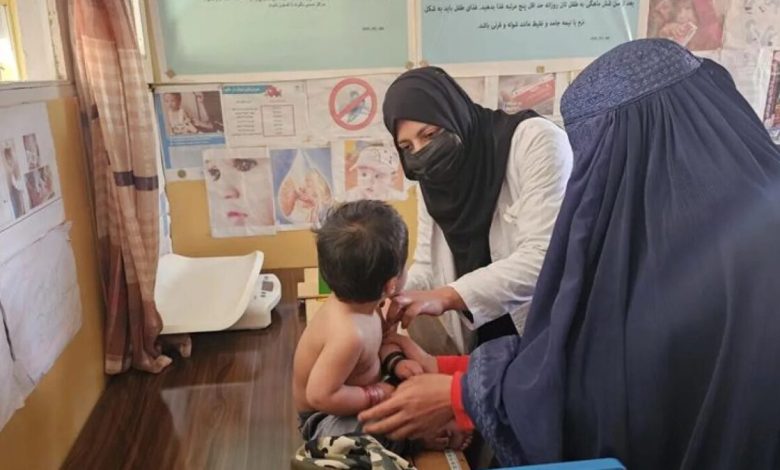
The report, based on findings by Nancy Sarkis in Geneva and published on Monday, says around 3.7 million children in Afghanistan are expected to face acute malnutrition in 2026.
Aid workers say in many cases, delays in accessing treatment can result in the deaths of children. Olga Cherevko, head of the UN Office for the Coordination of Humanitarian Affairs (OCHA), said humanitarian operations in Afghanistan face serious challenges despite extensive efforts, mainly because of severe funding shortages and limited access to remote areas.
She warned that while nearly 22 million people across Afghanistan are in need of assistance, only about 14 percent of the required $1.7 billion humanitarian funding has been secured. She said the situation has made it “impossible” for some people to continue living in certain areas.
The report also says drought and water shortages have become major drivers of displacement in rural areas, particularly in Bamyan province. According to aid workers, many families have been forced to leave their homes because their farmland has dried up and they lack access to drinking water. Others, however, are too poor to move and remain in extremely difficult conditions.
The report also highlights the situation of thousands of Afghans returning to the country, saying many arrive without shelter or basic necessities in a country already facing a widespread humanitarian crisis. According to figures from the United Nations High Commissioner for Refugees (UNHCR), around 8,000 people returned to Afghanistan in just one week, up to June 20.
The report further says restrictions imposed on women and girls have worsened the humanitarian crisis and directly affected their access to education, healthcare and economic opportunities. Aid workers say the shortage of female health workers in many areas, particularly in maternal and child healthcare, has become a serious challenge.
According to the report, humanitarian organisations provided assistance to 5.9 million people in Afghanistan between January and April this year, including 3.5 million people who received food assistance.
However, the United Nations stressed that the scale of humanitarian needs remains extremely high and that millions of people continue to depend on sustained and urgent assistance to survive.