Afghans With Disabilities Face Growing Barriers to Essential Services
A new report on the situation of people with disabilities in Afghanistan finds that they have faced growing barriers to education, healthcare, employment and participation in public life over the past five years.
The report was published by the Raoul Wallenberg Institute of Human Rights and Humanitarian Law in Lund, Sweden, in cooperation with a development research group and local researchers.
Researchers interviewed 99 people in 34 provinces between September and November 2025. The study also included an art-therapy programme involving about 200 deaf children and young people in Kabul.
The report says reduced international assistance, economic difficulties, limited services and policies introduced by the Taliban have made life more difficult for many people with disabilities.
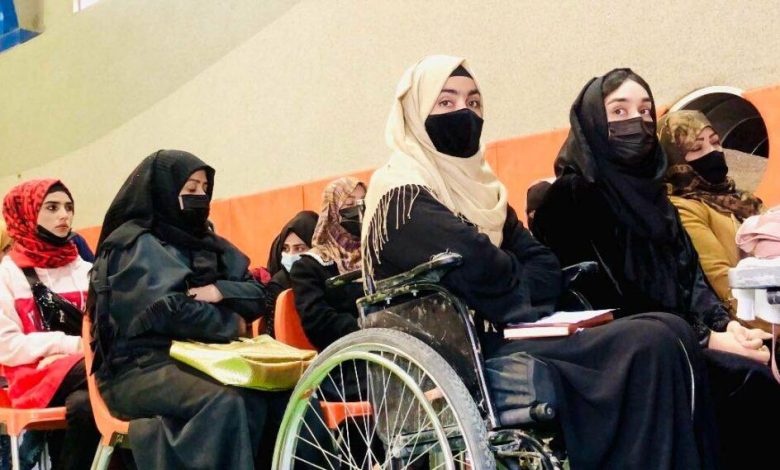
Women and girls with disabilities face additional barriers, the report says, as gender restrictions combine with poverty, social stigma and limited access to education, employment, healthcare and freedom of movement.
The study also points to shortages of rehabilitation services and assistive equipment, difficult transportation and inaccessible public buildings, particularly in rural and remote areas.
War is identified as another major cause of disability in Afghanistan. Many people interviewed for the study said their disabilities were caused by landmines, other explosions or shootings.
The authors stress that the study is qualitative and was not based on a nationally representative sample. Its findings therefore cannot be applied to all people with disabilities in Afghanistan, but the report documents common experiences and structural barriers reported across different parts of the country.
The report calls for better rehabilitation services, inclusive education, employment opportunities, accessible healthcare, and greater participation of people with disabilities in decisions affecting their lives.