Japan Court Protects Human Voices From Unauthorized AI Cloning
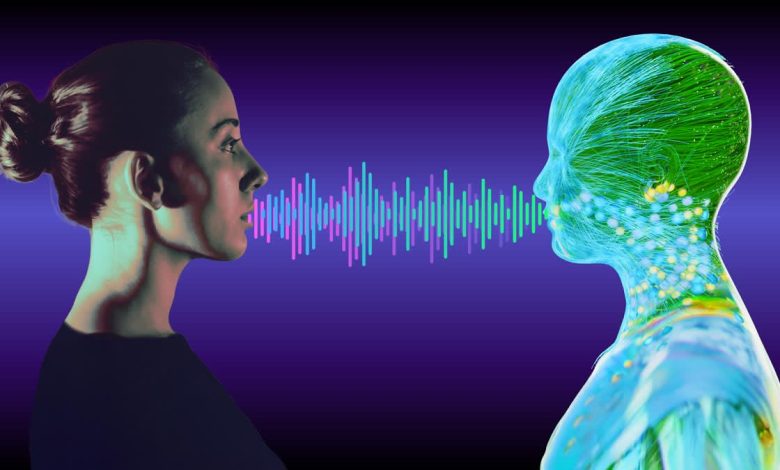
Bareen Media – A Tokyo court has ruled that a person’s voice can be protected under publicity rights, in a case involving the unauthorized use of artificial intelligence to imitate a performer’s voice.
The Tokyo District Court made the ruling in a case brought by Japanese actor and voice actor Kenjiro Tsuda, who challenged 188 TikTok videos that allegedly used an AI-generated imitation of his voice. The court said a person’s voice can be treated as a symbol of their personality and that unauthorized commercial use may infringe publicity rights.
The court did not order the videos to be removed because they had already been deleted. The case is the first known Japanese court ruling specifically addressing publicity rights and AI-generated voice cloning.
In the United States, the Third Circuit Court of Appeals separately ruled that AI company ROSS Intelligence could not use the fair-use defence after using copyrighted Westlaw legal headnotes to develop a competing legal research system.
The U.S. ruling involved a non-generative AI system and does not establish that all AI training using copyrighted material is automatically unlawful. The decisions highlight growing legal efforts to define how existing rights apply as AI technology develops.